
Heatwaves and Windscreen Claims - What's the Connection and Precautions You Can Take

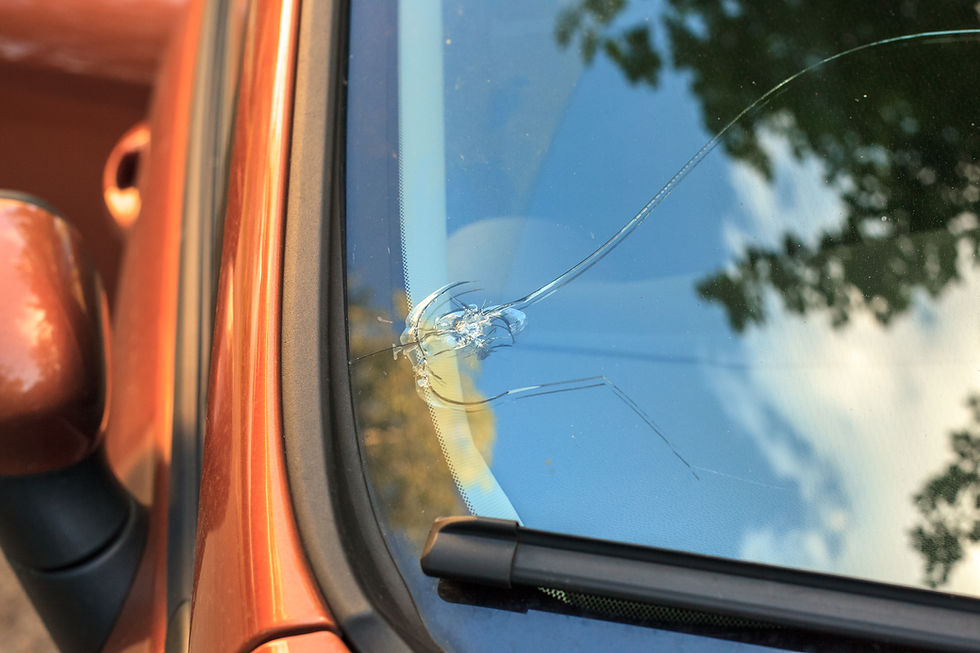
It likely will not be breaking news to you that we have had some very hot weather recently. The 2026 summer sun has brought with it long, hot days perfect for outdoor events and relaxation. However, along with this enjoyable weather, we also face downsides that can impact our daily lives. One notable consequence has been a significant increase in windscreen claims, a trend that many drivers are already experiencing. But what exactly is driving this rise in claims? In this blog post, we will delve into the reasons behind this phenomenon and share some practical tips on how you can help prevent damage to your windscreen during these scorching months. Together, we can navigate the challenges of summer while keeping our vehicles safe and sound!
Why Windscreen Claims Increase in Hot Weather
1. Existing chips turn into cracks: A small stone chip can remain stable for weeks, but high temperatures cause the glass to expand. If there is already damage, the stress can cause the chip to turn into a crack, requiring repair or replacement
2. Thermal stress from varied temperatures: The centre of a windscreen can heat much faster than the edges, which are shaded by the vehicle frame. This uneven expansion creates stress within the glass where the differing temperatures meet.
3. Sudden cooling makes matters worse: Whilst modern air-conditioning is fantastic (pardon the easy pun), the cold air inside, the hot air outside and the hot windscreen will mean that the inside surface cools rapidly while the outside remains hot, creating a temperature differential that can cause cracks to grow rapidly.
4. Repeated heating and cooling cycles: Daily expansion in the sun followed by cooling overnight places ongoing stress on damaged glass, gradually extending cracks.
5. More driving and road debris: Summer generally means increased vehicle use, holidays, and roadworks and does not have the level of rain to wash the roads of smaller debris. This can lead to more stone-chip incidents, creating the damage that later becomes a heat-related crack.

What Can Be Done to Reduce Windscreen Claims?
For drivers
Repair chips immediately (really important!): A low-cost repair can prevent a full replacement claim later. These often carry a low excess or are free if you have windscreen cover.
Avoid sudden temperature changes: Gradually cool the car down when you get in, and avoid directing the very cold air at the windscreen
Park in shade or use a windscreen sunshade: where possible, this is a great tip to protect glass temperatures from getting too high.
Do not pour cold water on a hot windscreen: Rapid cooling can trigger stress cracking, especially if there is already a small chip in the window. [nuvisionau...oglass.com], [safelite.com]
Check for chips regularly: Do this particularly before and during summer.

For fleet owners and operators
Make your team fully aware of the risks and arrange a programme for checking the windscreens regularly.
Encourage your team to report small chips as and when they happen to enable speedy repairs; due to increased demand, repairs and replacements can be slower, so this is important so that a small chip does not spread and render a vehicle unusable for a period due to the windscreen damage
Heatwaves and Windscreen Claims Takeaway
Heat rarely cracks a perfect windscreen on its own. The main issue is that hot weather significantly magnifies existing weaknesses, turning even minor chips into major cracks. The most effective prevention measure is early chip repair combined with avoiding sudden temperature changes. Just keep a close eye on your windscreen and act fast!


Comments